

• Record iPhone and Services revenue reinforced a two-engine growth model
• 2.5B active devices turned scale into strategic leverage
• Selective trade-offs (Mac, wearables) protected the core and margins
Growth is not momentum. It’s control at scale.
Apple has reported the strongest quarter in its history.
.


.
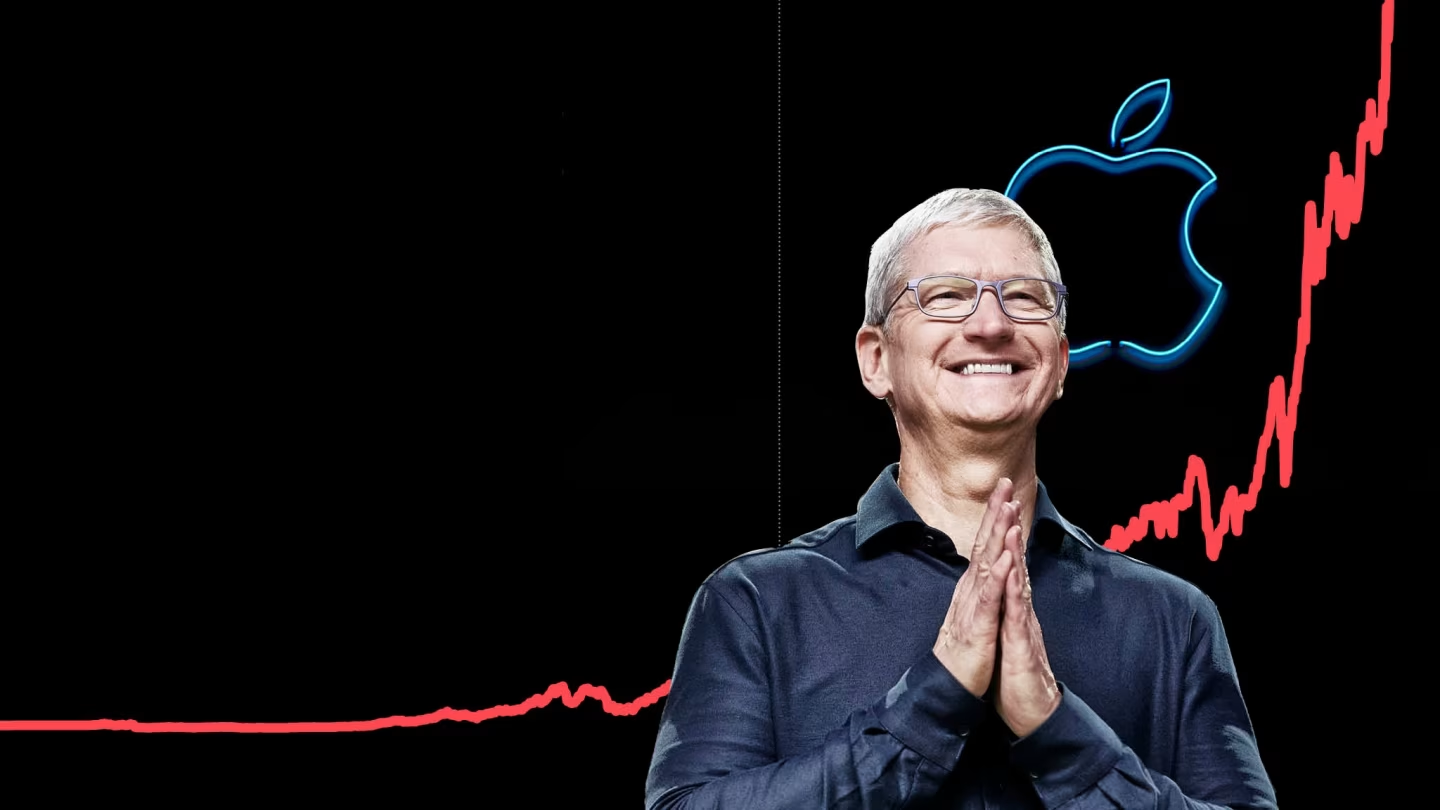
For fiscal Q1 2026, the company posted $143.8 billion in revenue, up 16% year-over-year, and earnings per share of $2.84, up 19%, setting all-time records on both fronts.
iPhone revenue reached its highest level ever, rising 23% year-over-year, while Services revenue also hit a new all-time high, reinforcing Apple’s two-engine growth model: hardware demand paired with recurring ecosystem value.
But the real leadership signal wasn’t the numbers.
It was the consistency of the system behind them.


“iPhone had its best-ever quarter driven by unprecedented demand… and our installed base now has more than 2.5 billion active devices,”
— Tim Cook, CEO, Apple
The Strategic Insight CEOs Should Notice
Apple’s performance highlights a pattern many leaders miss:
Growth didn’t come from novelty.
It came from trust, scale, and execution discipline.
.


Click Here
.
While competitors chase disruption, Apple doubled down on:
-
Installed base expansion
-
Services monetization
-
Geographic balance (notably 38% growth in China)
This quarter wasn’t about launching something radically new.
It was about making the existing system work better than anyone else.


Why This Matters for Executive Decision-Making
Apple generated nearly $54 billion in operating cash flow in one quarter and returned $32 billion to shareholders — not as a defensive move, but as a signal of confidence in its operating model.
At the same time, the company accepted trade-offs:
-
Mac revenue declined
-
Wearables slipped slightly
Yet the core strategy held.
Leadership takeaway:
High-performing organizations don’t optimize everything at once.
They protect the core, fund the engine, and accept asymmetry.


NYBEX Insight
In an era obsessed with disruption, Apple demonstrates something rarer:
strategic control at scale.
The lesson for CEOs isn’t “build the next iPhone.”
It’s build a system customers don’t want to leave — and investors can trust.


